As a writer I’m always looking for insight into how to better use language to inform and persuade. On Christmas Eve I found just that in an unlikely place.
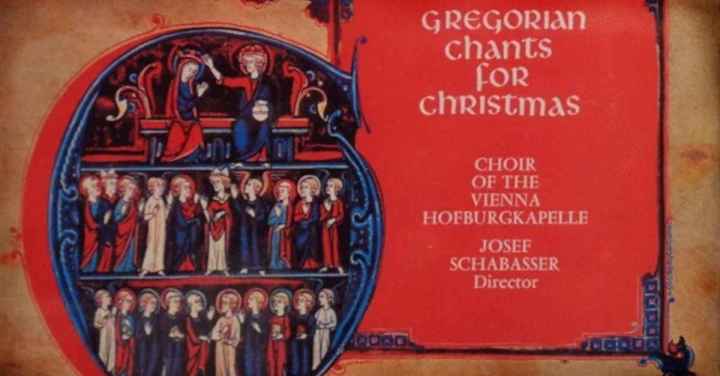
I was rummaging through my music collection in search of something other than the dozen or so seasonal standards that this time of year keep cycling on the radio (and in big-box stores, dentist offices, etc.). At the bottom of a stack of vinyl albums I uncovered something I’d forgotten I owned—a record purporting to contain Gregorian chants for Christmas.
Turns out, that’s not exactly what’s on the disc, despite the cover art resembling a medieval scribe’s illuminated manuscript. What the whole package does contain is a lesson in how to market a form of art that for centuries lacked any sort of commercial audience.
Not so Honest to Goodness
It starts with transparency. Though the music on the record is indeed in a style generally associated with Pope Gregory I, the notes on the album sleeve confess that this label is a bit misleading. Yes, the sixth-century pontiff “is traditionally credited with codifying the repertory,” but it seems “his individual role is now thought to have been exaggerated.”
Modern marketers might consider this admission a mistake because it tarnishes the brand. In this case, the clarification serves to establish the credibility of the album’s historical notes as they go on to recount a resurgence of interest in medieval chant starting in the 19th century. In other words, Latin lyrics sung a cappella in monophony aren’t just for monks and musicologists anymore—they’re retro chic!
Of course, this raises the question of why the purveyors of the album were less than forthright in describing the contents as music for Christmas. Yes, three tracks deal directly with the day that marks Christ’s birth. But most of the chants honor events on the liturgical calendar that us moderns would consider peripheral to the nativity. These range from Advent to Epiphany, which at least fall within the range of the Christmas season.
One track, however, stands out as a misfit—the Gradual for the Feast of the Holy Confessor. The timing and purpose of this holy day stumped even the internet. Best guess is that it commemorates the English king Edward the Confessor, who, depending on your flavor of Christianity, may or may not be a saint, and whose feast day occurs a couple of weeks before Halloween.
Make a Name for Yourself or Borrow Someone Else’s
So why the subterfuge in the album packaging? Chalk it up to name recognition. It’s doubtful the publishers thought they could count on sales being driven solely by the reputation of the artists. When’s the last time you saw the Choir of the Vienna Hofburgkapelle listed on Billboard’s Hot 100?
On the other hand, who hasn’t tried to carve out a percentage of the retail bonanza launched by the babe in the manger 2,000 years ago?
Like I said, for writers and others looking to hawk their wares, there’s plenty to glean from this marketing lesson a millennia-and-a-half in the making. When crafting your pitch, always start with sincerity. Just don’t overdo it. Customers appreciate transparency if it lends credibility to your art, but not if it makes you into an object of pity. The goal is to resonate with your audience. Once you achieve this, you can confidently shift into oversell mode.
Believe me, if celebrity name-dropping and holiday glitz can help move 9th-century Latin chants, it can sell anything.
Did I mention I’m currently shilling a romantic suspense novel? If Hallmark calls, I’d be happy to paste on a Christmas theme.
 Dave Dentel